Ride On Push Cars: Safe Indoor-Outdoor Fun With Parent Control
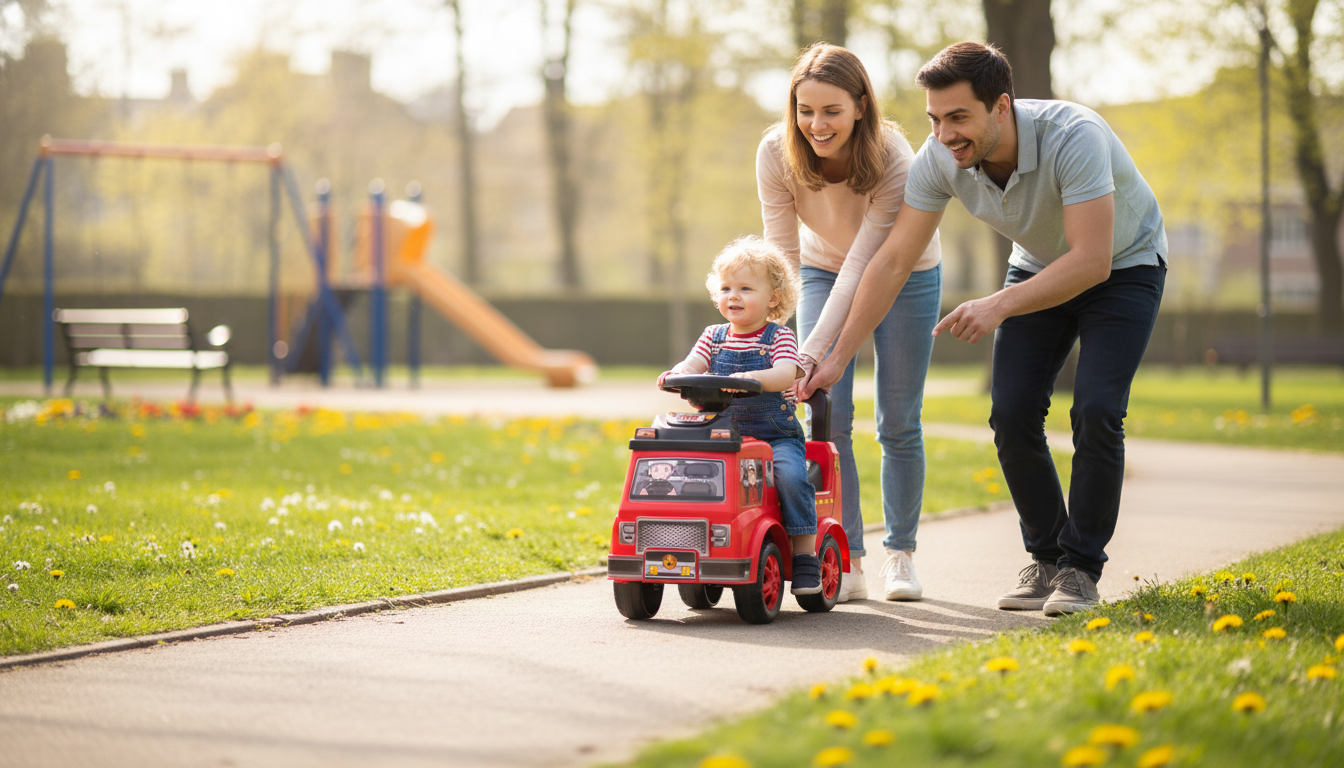
A ride on push car is a simple way to help toddlers practice balance, steering, and coordination—without the speed (or learning curve) of bigger ride-ons. Many styles also include a parent push handle, so caregivers can guide direction, slow things down, and keep rides calm when little legs get tired. Whether it’s laps around the living room or a steady stroll on the patio, the right push car can turn everyday minutes into active, screen-free play.
Why Toddlers Love Push Cars (and What They Learn)
Push cars feel like “real driving” at toddler height. The seated position is comfortable and confidence-building, while foot-to-floor motion lets kids control their pace.
- Builds gross motor skills through pushing with feet, turning, and stopping.
- Encourages independence while keeping an adult close by—especially with a parent handle.
- Supports early spatial awareness as toddlers navigate around furniture, corners, and doorways.
- Reinforces cause-and-effect: turning changes direction; pushing changes speed.
- Fits short daily routines as a quick energy reset between naps, snacks, and errands.
For broader safety reminders at home, the American Academy of Pediatrics offers practical guidance on reducing everyday hazards: AAP HealthyChildren.org — Home Safety.
Key Features That Matter Most
Not all ride-on push cars feel the same in real use. A few construction details make a noticeable difference in stability, comfort, and day-to-day convenience.
- Stable base and anti-tip design: a wider stance and balanced weight distribution help prevent tumbles during sharp turns.
- Backrest and secure seating: helps toddlers sit upright and reduces sliding, especially outdoors.
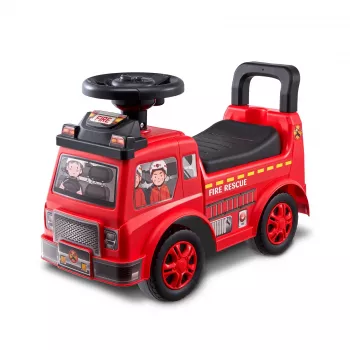
- Parent push handle: improves control on uneven surfaces and helps when toddlers tire.
- Steering wheel and easy-grip controls: sized for small hands so toddlers can actively steer.
- Wheels for mixed surfaces: smooth indoor rolling plus outdoor durability on sidewalks or patios.
- Storage or cup holder (if included): handy for a small toy, snack cup, or water bottle.
For general toy safety guidance (including age grading and supervision), review the Consumer Product Safety Commission’s recommendations: CPSC — Toy Safety.
Safety Checklist Before Every Ride
A 60-second check can prevent most common mishaps—like sudden rollaways, pinched toes, or tipping during tight turns.
- Choose a clear route: avoid stairs, steep driveways, pool areas, and crowded parking lots.
- Use a flat surface for beginners: start indoors or on a level patio before sidewalks.
- Supervise within arm’s reach: toddlers can pivot quickly and surprise-turn into obstacles.
- Check footwear: closed-toe shoes help with stopping and protect toes from wheel contact.
- Inspect the car: confirm wheels spin freely, parts are secure, and the push handle is locked (if adjustable).
- Set simple rules: feet stay low, hands stay on the wheel, no standing on the seat.
Quick Pre-Ride Check (60 Seconds)
| Check |
What to look for |
Why it matters |
| Surface |
Flat, dry, debris-free path |
Reduces slips and sudden stops |
| Wheels |
No wobble; spins smoothly |
Improves control and prevents tipping |
| Seat/backrest |
Secure and stable |
Helps posture and prevents sliding |
| Push handle |
Firm connection; comfortable height |
Better steering support for adults |
| Surroundings |
No stairs/traffic; clear corners |
Prevents high-risk rollaways |
Getting the Best Fit for a Toddler
Comfort and control start with fit. If a toddler can’t plant both feet easily, stopping becomes harder and tipping risk goes up during turns.
- Seat height: toddler should plant both feet comfortably for pushing and stopping.
- Legroom: knees should bend naturally without being cramped against the front.
- Handle height for caregivers: a comfortable grip reduces back strain on longer walks.
- Turning radius: enough space for indoor use in hallways and living rooms.
- Weight and portability: consider whether it will be carried up steps or stored in a closet.
Everyday Play Ideas That Keep It Interesting
Push cars stay exciting longer when they’re part of simple “missions” rather than random laps. These ideas work indoors and outdoors with minimal setup.
- Mailbox delivery: add soft toys or lightweight items for “deliveries” around the house.
- Color or shape hunt: place safe targets to steer toward and practice controlled stopping.
- Follow-the-leader walks: caregiver guides with the push handle while toddler steers.
- Parking practice: use painter’s tape to mark “parking spaces” and teach gentle alignment.
- Music-and-movement breaks: short rides between activities help burn energy without overstimulation.
Care, Storage, and Longevity Tips
Most push cars hold up well with basic maintenance. A little care also helps the ride feel smooth (especially outdoors where grit can build up).
A Budget-Friendly Option to Start Riding
Featured Picks In Stock
FAQ
What age is a ride on push car suitable for?
Many toddlers can start once they can sit steadily and push with both feet—often around 12–36 months—but readiness matters more than a specific birthday. Always follow the manufacturer’s height/weight limits and supervise closely.
Can a push car be used outdoors safely?
Yes, on flat, predictable surfaces like patios and level sidewalks. Avoid streets, steep slopes, and any area near stairs, and use the parent push handle to keep the ride controlled.
How can a toddler learn to steer and stop without tipping?
Begin indoors on a clear, flat path and practice slow, wide turns before trying tighter corners. Use closed-toe shoes for braking, and keep simple rules: hands on the wheel and feet ready to stop.
Recommended for you










Leave a comment