HomeBlogBlogShahada Imam Ali Sword Pendant: Meaning & Style Guide

Shahada Imam Ali Sword Pendant: Meaning & Style Guide

Shahada Imam Ali Sword Pendant: Meaning & Style Guide

Shahada Imam Ali Sword Pendant Necklace: A Statement of Faith and Form

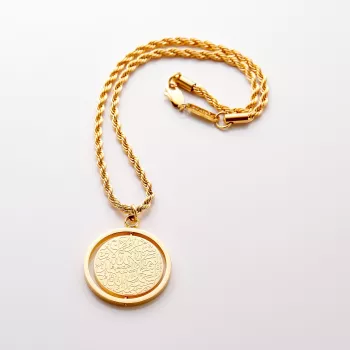
A bold, meaningful pendant that blends sacred text with the iconic sword motif associated with Imam Ali. Designed as a statement piece for everyday wear or gifting, it pairs symbolic presence with simple styling—layered over casual outfits or worn as a focused, standalone necklace.

Featured Pieces Available Now

If you’re putting together a complete look—or shopping for a thoughtful gift—these in-stock items pair well with a clean, elevated style.

What the Design Represents

Jewelry that includes Arabic calligraphy can carry multiple layers at once: devotion, identity, artistry, and personal intention. This pendant design is especially distinctive because it combines sacred text with a silhouette many recognize immediately.

  • The Shahada is the Islamic declaration of faith, commonly rendered in Arabic calligraphy on jewelry and devotional items. For a concise overview of its meaning and historical context, see Britannica — Shahadah.
  • The sword motif references the traditional association of Imam Ali with the sword (often represented in art and cultural heritage), giving the pendant a distinctive outline that reads clearly even from a distance.
  • Calligraphy as art matters here as much as meaning: the script itself becomes the visual centerpiece. For background on how calligraphy functions within Islamic art, visit The Metropolitan Museum of Art — Calligraphy in Islamic Art.

Many wear a piece like this as a reminder—something quietly present throughout the day—while others choose it for occasions where symbolism is important but the overall look remains understated.

Style and How to Wear It

This pendant is designed to be the main point of focus. The simplest styling usually looks the most intentional, because it gives the calligraphy room to stand out.

  • Let it anchor the outfit: solid-color tees, long-sleeve tops, button-downs, and modestwear layers create a clean backdrop that highlights the pendant’s shape and script.
  • Layering works best when restrained: pair it with one minimal chain (or a delicate texture chain) and keep everything else quiet so the calligraphy remains the visual center.
  • Occasion-flexible: it fits daily wear, gatherings, and meaningful events where you want symbolism without a loud or overly formal feel.

For outfit balance, consider the “one statement” approach: if the pendant is bold, keep earrings and rings minimal, or skip them entirely and let the necklace carry the look.

Comfort, Fit, and Placement

Necklace comfort is mostly about placement and how the pendant moves during normal activity—walking, sitting, bending, or layering over fabric. A few practical checks can make the difference between a necklace that stays in rotation and one that stays in a drawer.

  • Choose placement on purpose: a slightly shorter chain keeps the pendant higher on the chest for visibility; a longer chain feels subtler and can sit more naturally over thicker layers.
  • Layer with spacing: stagger lengths so the pendant doesn’t collide with other chains, which reduces tangling and helps the calligraphy stay centered.
  • Mind edges and fabric: if worn under clothing, confirm the bail and pendant edges don’t snag knit fabrics or catch when you remove a scarf or hoodie.

Quick Guide: Fit, Wear, and Care

Topic What to Check Practical Tip
Placement Where the pendant rests on the chest Choose a length that keeps the pendant centered and comfortable when sitting or bending.
Layering Chain spacing and tangling risk Use different chain lengths and avoid bulky second pendants.
Skin comfort Sensitivity to plated metals or alloys If sensitive, limit direct-skin contact or wear over fabric.
Daily wear Exposure to sweat, water, fragrance Apply fragrance first; put jewelry on last.
Storage Scratches and oxidation risk Store dry, separated, and away from humidity.

Handling Religious Calligraphy with Respect

Pieces that include sacred text are often handled with extra care—both to preserve the item and to reflect personal practice. Small habits can help keep the necklace looking its best while honoring its meaning.

  • Store it thoughtfully: keep it in a clean pouch or jewelry box rather than leaving it on counters where it can be exposed to moisture or clutter.
  • Remove it for high-risk activities: gym sessions, showers, swimming, heavy labor, or anything that may scratch the surface or expose it to chemicals.
  • Follow your personal approach: if the pendant includes sacred text, many prefer to avoid wearing it in restrooms; individual practice can guide when and where it’s worn.

Gifting Ideas and Occasions

This style of necklace makes a gift that feels personal without needing a specific ring size or highly tailored fit. It’s meaningful for religious milestones and also for everyday encouragement.

  • Occasions: Eid, Ramadan, Umrah/Hajj return, graduations, new job celebrations, or personal milestones.
  • Add a note: a short card explaining the symbolism and your intention can turn a simple gift into something remembered and kept.
  • Match the recipient’s style: for someone who prefers subtle jewelry, pair it with a simpler chain look and keep the overall presentation minimal.

Before Buying: What to Confirm

FAQ

Can this pendant be worn every day?

Yes, with basic care: avoid water exposure, heavy sweat, and direct fragrance contact, and store it dry to help preserve the finish and calligraphy detail.

How should a Shahada pendant be handled and stored?

Store it in a clean, dry pouch or box and remove it in situations where damage or disrespect is a concern. Personal practice can guide when and where it’s worn.

What’s the best way to choose the right necklace length for this pendant?

Pick a length based on your desired placement—higher for visibility, lower for a subtler look. If layering, stagger lengths to prevent tangling and keep the pendant centered.

Was this article helpful?

Yes No
Leave a comment
Top

Shopping cart

×