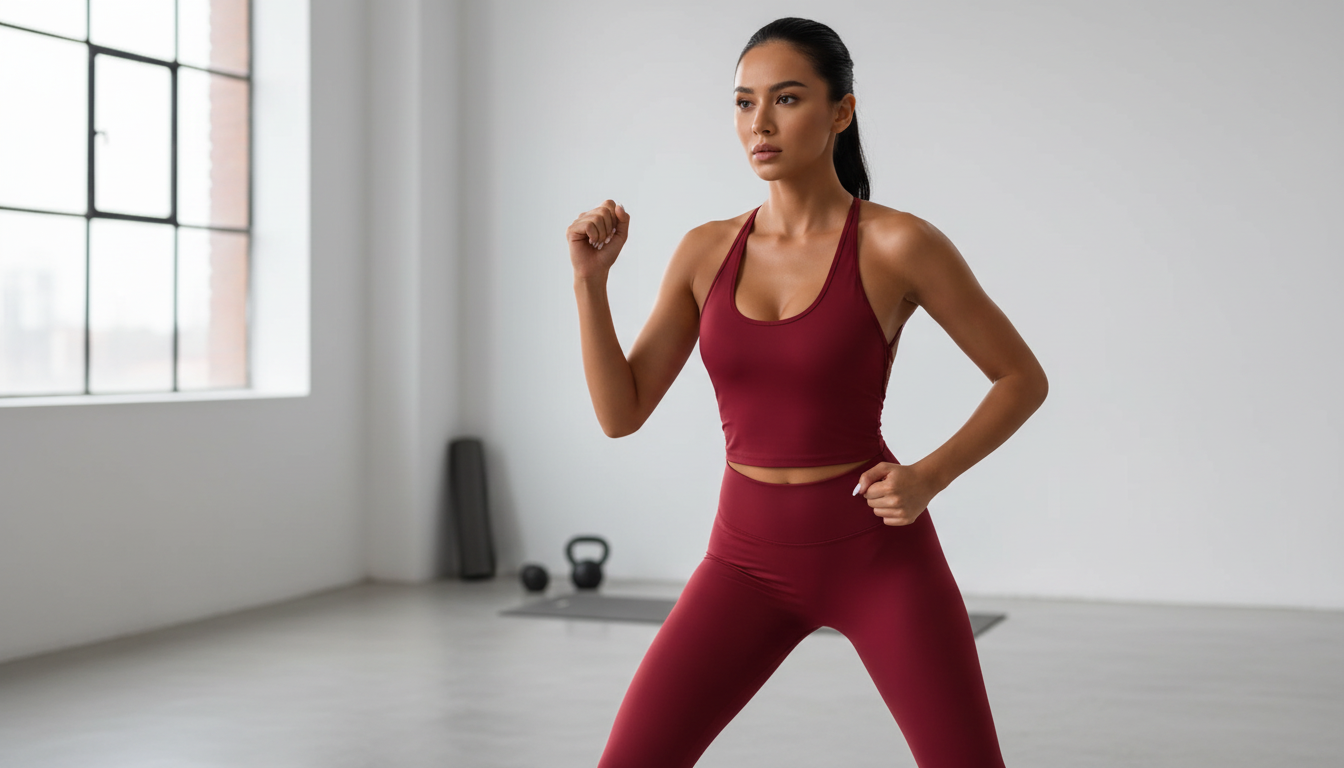
Designed for movement and all-day wear, a racerback yoga sports bra balances support, breathability, and a secure fit that won’t distract during flows, stretches, or light training. The right racerback design helps you move freely through overhead reaches, binds, and twists while keeping the underband stable when you transition from Down Dog to a lunge. Below, you’ll find what to look for, how to dial in fit, and how to care for a racerback style so it keeps its shape and comfort over time.
A racerback silhouette is popular for yoga for a simple reason: it stays put while letting your shoulders do their job. When straps sit closer to the center of your back, they’re less likely to slide off your shoulders during wide arm circles, Eagle arms, or long holds.
If you like to run errands after class, a racerback can also look intentional under looser tees or a lightweight button-up—supportive enough to feel secure, sleek enough to style.
Support isn’t one-size-fits-all. Yoga typically calls for low-to-medium support, but the “right” level depends on your body, the class intensity, and how much compression you find comfortable. A quick reality check: you should be able to move and breathe fully, yet not feel like you’re constantly adjusting.
| Activity type | Support focus | Coverage preference | Fit check |
|---|---|---|---|
| Yoga / stretching | Soft compression | Moderate to full coverage | No gaping during forward folds |
| Strength training | Stable underband | Moderate coverage | Straps stay put during presses/rows |
| Light cardio | Balanced compression | Moderate coverage | Minimal bounce during jogging-in-place |
| HIIT / running | High stability (style-dependent) | Higher coverage | No shifting after 10 jumps |
For additional fit guidance, the Mayo Clinic’s sports bra guide outlines common signs of poor fit and how to assess support. You can also explore general training apparel considerations via the American Council on Exercise (ACE).
Fit is the difference between “barely notice it” comfort and constant distraction. A racerback should feel secure without tugging your neck or compressing your breath.
A practical studio test: do a slow forward fold, then stand and twist side to side. If the bra stays anchored and you aren’t tempted to adjust the band or straps, you’re close to the ideal fit.
Small design choices can make a big difference, especially during longer flows, heated classes, or weekend wear. Comfort isn’t just softness—it’s how the bra behaves when you sweat, stretch, and repeat movements.
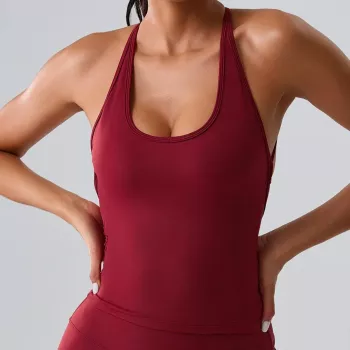
If you’re building a dependable basics lineup, the Women’s Racerback Yoga Sports Bra is a versatile option for yoga, lounging, and light training. It’s positioned at an everyday value point, making it easy to pick up more than one so you can rotate between wears and keep each bra feeling fresher longer. It pairs naturally with high-waist leggings, joggers, or a light layer for a quick studio-to-street change.
| Item | Details |
|---|---|
| Product | Women’s Racerback Yoga Sports Bra |
| Price | 21.51 USD |
| Availability | In stock |
| Product page | https://luxegallery.shop/womens-racerback-yoga-sports-bra/ |
It should feel snug at the underband (staying level) with straps that lie flat and don’t dig. You should be able to take a full inhale comfortably, and the bra shouldn’t shift during forward folds or twists.
Yes—racerbacks can work well for walking, Pilates, and many strength sessions. For high-impact training, opt for firmer support and higher coverage if bounce or shifting is an issue.
Wash cold on a gentle cycle, avoid fabric softener, and skip the dryer. Rotating between bras also helps the elastic recover between wears and keeps support more consistent.










Leave a comment