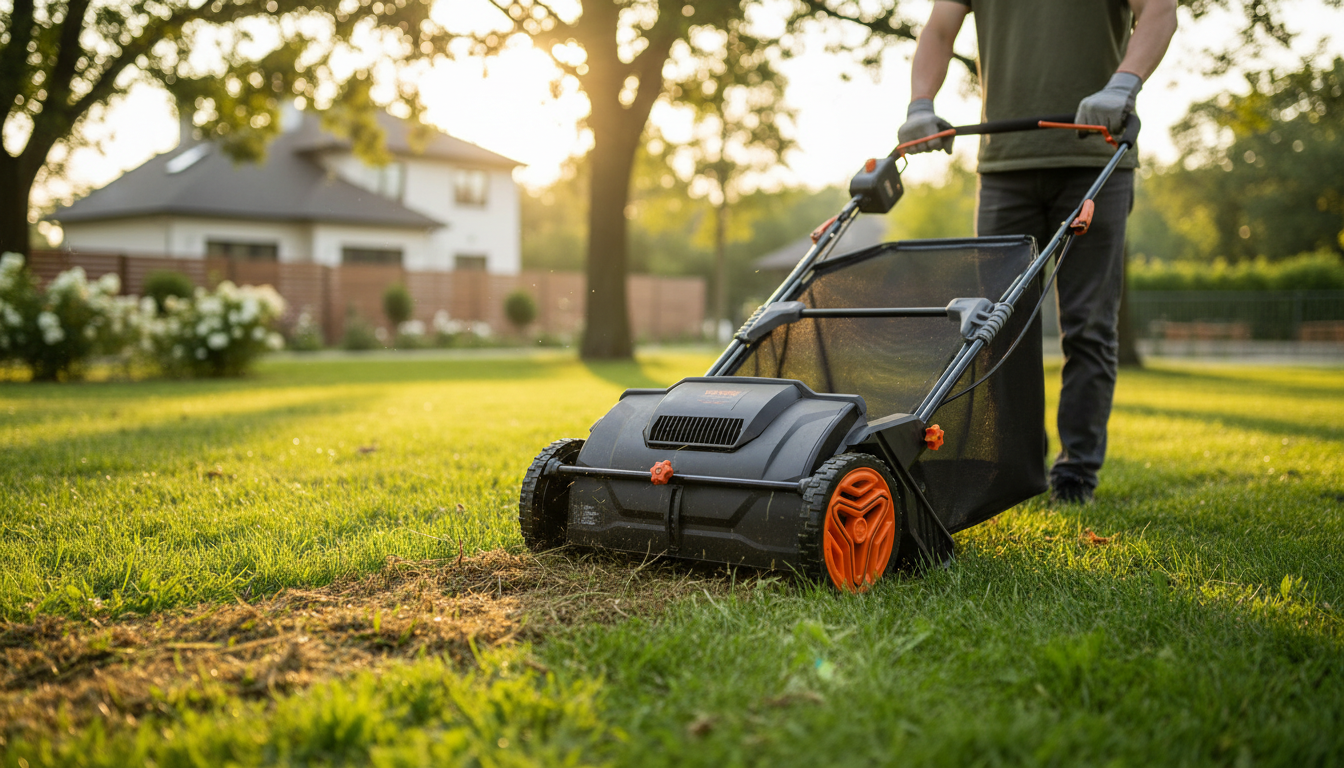
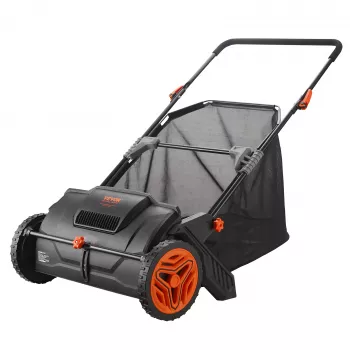
A push lawn sweeper is a practical way to collect dry leaves, grass clippings, and small twigs without the noise, fumes, or cords of powered tools. With a wide 21-inch sweep path and a large hopper bag, this style of yard tool helps tidy patios, driveways, and lawns faster while keeping debris contained for easy dumping.
A 21-inch push lawn sweeper is a manual, wheeled yard tool that uses rotating brushes to lift debris and toss it into a rear hopper bag as you walk. Because it’s powered by your push and the wheel movement, it’s quiet and low-maintenance—ideal for quick, routine cleanups when a blower feels like overkill.
If you like to reuse yard waste, collected leaves and clippings can be a great start for composting (as long as they’re free of contaminants). The EPA’s home composting guidance and the UC IPM composting overview offer clear, practical tips for turning yard materials into soil-friendly compost.
Most push sweepers share the same basic concept, but small design differences affect how quickly you finish a cleanup—and how much effort it takes to get there.
A practical rule: if the sweeper feels like it’s “bulldozing” instead of collecting, the brush height is often too low or the debris is too wet/heavy for the conditions.
Push sweepers are at their best in dry conditions and on relatively smooth terrain. Setting realistic expectations helps you plan your route and avoid unnecessary rework.
Dry leaves and clippings usually lift cleanly when the brush height is set so the bristles just kiss the grass tips. Too much contact increases drag and can scatter debris to the sides.
Denser grass can hide debris. A slightly lower brush setting and a slower pace often improves pickup because the brushes have more time to “comb” through the top layer.
Hard surfaces typically deliver very consistent results for dry leaves, pine needles, and light grit. For best collection, keep a steady line and overlap passes slightly so debris doesn’t escape along the edge of your path.
Along fences, tight corners, and steps, a sweeper may not fully reach. A quick touch-up with a handheld broom or rake finishes the job without much extra time.
When leaves are wet, they tend to clump and stick, reducing how well the brushes can lift them into the hopper. Waiting for a drier window (even a few hours of sun and breeze) can dramatically improve collection.
A quick reference can help match the sweeper’s size and collection style to typical yard tasks. Use the sweep width and hopper style to estimate how often emptying is needed during seasonal cleanup.
| Detail | What It Means for Cleanup |
|---|---|
| Sweep path: 21 inches | Covers more ground per pass; good balance for lawns and hard surfaces |
| Collection: rear hopper bag | Debris stays contained for easier transport and dumping |
| Power: manual push | No fuel, cords, or batteries; quieter operation |
| Best for | Dry leaves, grass clippings, light debris on lawn, patio, driveway |
| Less suitable for | Wet matted leaves, large sticks, stones, heavy mud |
Getting the most from a push sweeper is mostly about correct assembly and dialed-in brush height. Once it’s set, the routine is simple.
It can collect lightly damp leaves, but performance is best when leaves are dry. Wet piles tend to clump and may require raking first or waiting for drying.
Yes. Hard surfaces often provide very consistent pickup for dry leaves and small debris, though corners and tight edges may need a quick broom touch-up.
Set the brushes to lightly contact the surface. Too high reduces pickup, while too low increases push resistance and can disturb grass.










Leave a comment